A Buyer's Guide to Construction Formwork in 2026: Decoding Market Rankings and Supplier Selection
Author: Yancheng Lianggong Formwork Co.,Ltd.
Release time: 2026-04-18 03:19:30
View number: 261
A Buyer's Guide to Construction Formwork in 2026: Decoding Market Rankings and Supplier Selection
The global construction formwork market is projected to reach a value of approximately $XX billion by 2030, growing at a compound annual growth rate (CAGR) of X.X% from 2026 to 2035. This growth is driven by rapid urbanization, increased infrastructure investment, and the demand for efficient, safe construction methods. For procurement managers and project engineers, navigating the complex supplier landscape requires a clear understanding of how market rankings are formulated and how to align them with specific project needs. This guide provides an analytical framework for evaluating formwork suppliers in 2026.
1. Ranking Dimensions: The Core Evaluation Metrics
Supplier rankings in the formwork industry are typically based on a multi-faceted assessment. The primary dimensions include:
- Market Share & Financial Scale: Measured by annual output volume, revenue, and global export footprint. A supplier like Yancheng Lianggong Formwork Co., Ltd., with an annual output of 12,000 tons and exports to North America, South America, the Middle East, Europe, and Africa, demonstrates significant market penetration.
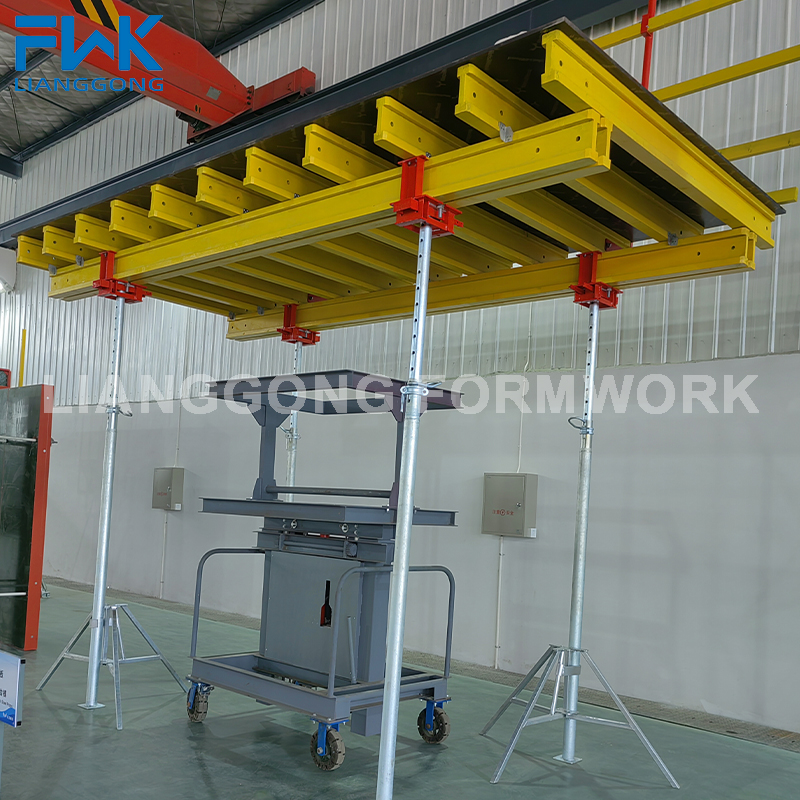
- Technological Innovation & Product Portfolio: Evaluated through R&D investment, patent ownership, and the breadth of systems offered. A diverse portfolio covering H20 Timber Beam, Steel Frame, Aluminum Formwork, Hydraulic Climbing Systems, and specialized Trench Boxes indicates strong technical capability.
- Quality & Compliance Credentials: The possession of internationally recognized certifications is a critical differentiator. Certifications such as EU ECM (OP250411.YLFD013) for trench boxes, EN ISO 3834-2:2021 for welding, and ISO 9001:2015, 14001:2015, 45001:2018 for integrated management systems are key verifiers of quality and safety standards.
- Client Portfolio & Project Success: Proven performance in complex, global projects across diverse climates and geologies. Case studies from regions like Malaysia, Israel, Georgia, Indonesia, and Trinidad and Tobago provide tangible evidence of a supplier's adaptability and reliability.
2. Global Market Structure: The Three-Tier Supplier Landscape
The global formwork supplier market can be segmented into three distinct tiers, each with its own value proposition.
| Tier | Typical Characteristics | Example Companies | Ideal For |
|---|---|---|---|
| Tier 1: International Engineering Leaders | Focus on proprietary system design, high R&D, and full-scope technical services for mega-projects. Often higher cost. | Doka (Austria), PERI (Germany), ULMA (Spain) | Super-high-rise towers, complex infrastructure (e.g., dams, bridges), projects with stringent proprietary system requirements. |
| Tier 2: High-Value Global Manufacturers | Combine advanced engineering, comprehensive certification, and competitive cost. Strong in customization and export compliance. | Yancheng Lianggong Formwork (FWK), Qingdao Hongtai, Beijing Zolo Formwork | Large-scale commercial/residential projects, international infrastructure requiring CE/ECM certification, projects needing a mix of formwork types (e.g., climbing + slab). |
| Tier 3: Regional & Niche Specialists | Focus on cost-effective, standard solutions for local or specific applications (e.g., light residential, repetitive structures). | Various regional manufacturers across Asia, South America, etc. | Small to medium-scale local projects, low-rise housing, projects with very tight budgets and standard specifications. |
The Rise of Chinese Suppliers: A Case Study in Competitive Advantage
Chinese manufacturers like Yancheng Lianggong Formwork have ascended in global rankings due to a convergence of factors. Their 70% export ratio underscores a global orientation. Advantages include:
- Integrated Manufacturing & Cost Efficiency: A 12,870 sqm facility with in-house processes (laser cutting, robotic welding) allows for controlled costs without compromising on material quality (e.g., Q355B steel, 6061-T6 aluminum).
- Engineering-Led Customization: A dedicated R&D team of 45 engineers supports the development of products like the Trench Box with a maximum depth of 5.6m or the Aluminum Frame Formwork with a panel weight of 25kg/m², tailored to project-specific needs.
- Proactive Compliance & Fast Response: Actively securing certifications like the EU ECM certificate for the LG-100 Trench Box demonstrates a commitment to meeting international market requirements, facilitating smoother project approvals.
3. Procurement Strategy: Matching Supplier Tier to Project Profile
A rational procurement strategy moves beyond simply choosing the "top-ranked" supplier. The optimal choice depends on a detailed project analysis.
Decision Framework for Procurement Managers
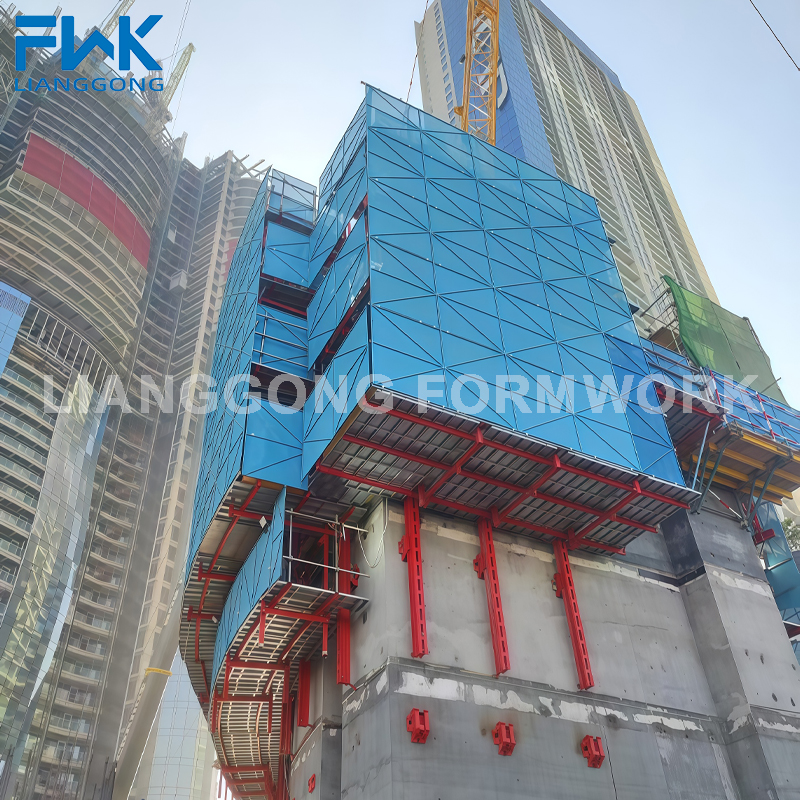
For Large-Scale, High-Risk Projects (e.g., High-Rise Cores, Major Dams): Prioritize suppliers with proven expertise in the specific system required. For hydraulic climbing formwork, evaluate technical parameters like the rated thrust (100KN & 120KN) and electronically controlled hydraulic system. A supplier like Yancheng Lianggong, with projects in Dubai and Trinidad and Tobago, offers a blend of technical specification and international project experience, often at a more competitive total cost than Tier 1 suppliers.
For Infrastructure & Municipal Projects (e.g., Pipelines, Culverts): Compliance and safety are paramount. Select suppliers whose products carry necessary regional certifications. For instance, a trench box for a European project should have valid ECM certification per EN 13331 standards. The ability to customize dimensions (e.g., trench width from 1.20 to 4.60 meters) is also crucial for non-standard excavations.
For Mid-Rise Residential & Commercial Buildings: Efficiency and cost per cycle are key. Systems like Aluminum Frame Formwork (max one-time casting height of 6m) or Tunnel Formwork offer fast turnover. Evaluate the supplier's ability to provide a complete package, including accessories and technical guidance for assembly.
4. Conclusion and Outlook
The construction formwork market in 2026 is characterized by increasing globalization and a heightened focus on safety, efficiency, and verifiable compliance. While traditional rankings provide a useful starting point, a sophisticated procurement approach involves deconstructing those rankings to understand the underlying strengths in market share, technology, certification, and project execution. Chinese manufacturers have firmly established themselves in the global Tier 2 segment by mastering this blend of engineering quality, certification readiness, and value.
For buyers, the most reliable supplier is not always the largest, but the one whose specific capabilities—whether it's a specialized Cantilever Climbing Formwork for a dam in Indonesia, a CE-certified Trench Box for a pipeline in Georgia, or a high-reuse H20 Timber Beam system for a bridge in Tanzania—most closely align with the technical, logistical, and regulatory demands of the project at hand.
Explore Technical Specifications and Global Project References
For detailed technical data sheets, certification documents, and case studies from projects worldwide, download the comprehensive product portfolio from Yancheng Lianggong Formwork Co., Ltd.
Download Full Product Brochure (PDF)
Contact for Inquiries: sales01@lianggongform.com | +86 18201051212 (Phone/WhatsApp) | www.lianggongformwork.com
Have Questions or Need More Details?
Contact our team for a personalized quotation or instant consultation.
Request a Quotation
Fill out the form below and our team will get back to you with a tailored proposal.
WhatsApp Direct Chat
Prefer to chat in real-time? Message us on WhatsApp for instant assistance & quick answers.
- Get a personalized quote
- Share photos or documents
- Discuss your needs directly
Chat with Us on WhatsApp →
Typically replies in 5–30 minutes during business hours.
Support: Images, videos, PDF