A Vertical Application Guide for Specialized Formwork Procurement: Matching Suppliers to Complex Project Needs in 2026
Procuring the right formwork system is a critical decision for construction project owners and EPC contractors. The wrong choice can lead to schedule delays, safety risks, and budget overruns. This guide provides a neutral, fact-based framework to help procurement professionals evaluate specialized formwork suppliers—particularly those offering systems such as hydraulic auto-climbing formwork, H20 timber beam formwork, aluminum frame formwork, and trench boxes—for projects with demanding structural, climatic, and compliance requirements.
1. Industry-Specific Requirements for Formwork Systems
Different construction environments impose distinct demands on formwork performance:
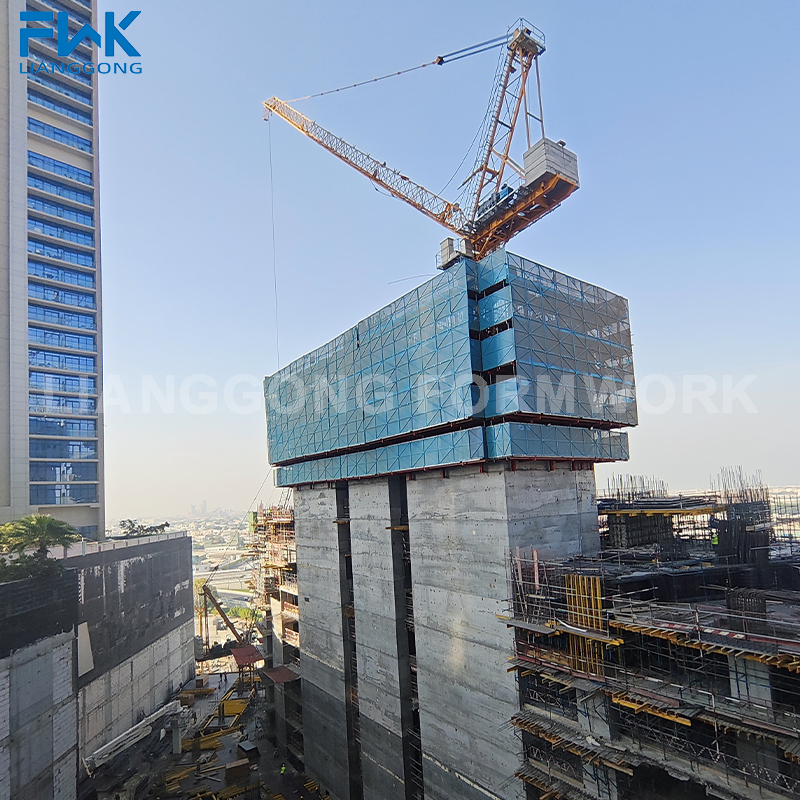
- High-Rise Buildings in Extreme Climates: In regions like the Middle East, high ambient temperatures cause rapid concrete setting, requiring precise strength monitoring and verticality control. Systems must also withstand occasional sandstorms and high wind loads during climbing operations (from press release data: special requirements include high verticality control and system stability under strong wind).
- Infrastructure in Tropical Zones: Heavy rainfall, high humidity, and coastal corrosion demand corrosion-resistant components (e.g., stainless steel or galvanized tie rods) and reliable joint sealing. Projects such as swimming pools and apartment buildings in Indonesia benefit from aluminum frame formwork with adjustable diagonal braces and specialized corner pieces (whitepaper reference: adaptation to high temperature, humidity, and coastal environments).
- Dam and Hydraulic Construction: Large-volume continuous concrete casting on steep slopes requires self-supporting formwork that can climb without tower crane dependency. The system must deliver high structural rigidity and smooth concrete finishes to minimize post-processing (press release: self-supporting formwork for high and steep dam construction, enabling continuous lifting and pouring).
- Tunnel and Trench Safety: Excavation projects in loose or sandy soils need robust shoring systems to prevent collapse. Trench boxes must comply with standards like EN 13331-1:2002 and offer quick assembly with adjustable struts (press release: product role to protect workers and prevent trench wall collapses).
2. Three Essential Capabilities of a Specialized Formwork Supplier
Based on industry best practices, procurement teams should evaluate suppliers against the following criteria:
2.1 Industry-Specific Customization Experience
A qualified manufacturer offers tailored solutions—modifying panel sizes, materials, and accessories to match project geometry and site conditions. For example, H20 timber beam formwork can be manually cut and installed on-site for irregular shapes, while steel frame and aluminum systems provide high reusability (turnover rates of 26–40 times for LG H20 beams compared to 5–8 times for conventional alternatives, as documented in comparison data).
2.2 Compliance with International Standards
Certifications provide independent verification of quality and safety. Key credentials to look for include:
- EN 1090-1/2 (CE marking): For structural steel components—mandatory for EU projects. Yancheng Lianggong Formwork holds certificate 1381-CPR-889 produced by SGS Italia S.p.A. for execution of structural steel components.
- ISO 3834-2: Welding quality management system (certificate 23/1014-3834) ensures fusion welding of steel structures meets rigorous international standards.
- ISO 9001, ISO 14001, ISO 45001: Overall quality, environmental, and occupational health management systems (certificates issued by BEIJING HANGXIE CERTIFICATION CENTER).
- EN 13331-1/2: Specific to trench boxes—ECM certification (OP250411.YLFD013) for the LG-100 model covering technical documentation compliance.
2.3 Durable Design for Harsh Environments
Systems deployed in extreme conditions incorporate features such as high‑strength aluminum frames (6061‑T6), Q355B steel for trench box panels, heavy‑duty hydraulic cylinders with 300 mm stroke, and hot‑dip galvanized scaffolding. Maintenance protocols like the “Three Inspections and One Review” system help control risks including panel peeling, steel frame deformation, and corrosion.
3. Success Case Study: Kalimantan Dam Project (Indonesia)
An EPC contractor managing the Kalimantan Dam—a large‑scale water management and energy supply infrastructure project on the island of Borneo—needed a formwork system that could handle complex wall geometries, large-volume concrete placement, and continuous casting under a tropical monsoon climate with heavy rainfall and high humidity.
The contractor selected the H20 Timber Beam Formwork System supplied by Yancheng Lianggong Formwork Co., Ltd. (brand: FWK Lianggong Formwork). The system demonstrated strong adaptability for irregular and curved dam sections, allowing flexible adjustments without complicated redesign. Key outcomes included:
- Timber beams and panels could be freely cut and reused on-site, significantly improving material utilization.
- The system maintained excellent load‑bearing performance during large-scale concrete placement, ensuring safety and structural accuracy.
- Lightweight components enabled efficient handling and installation, accelerating the construction schedule.
- A high‑quality concrete surface finish was achieved, eliminating the need for additional grinding and reducing post‑processing costs.
This project highlights how a specialized supplier’s ability to provide durable, customizable formwork directly contributes to project efficiency and cost control in challenging environments.
4. Key Considerations for Procurement Collaboration
To build a successful partnership with a formwork supplier, procurement teams should incorporate the following steps:
- Clearly Define Project Standards: Specify applicable international or local codes (e.g., EN, ACI, AS) at the bidding stage. Provide detailed structural drawings, pour schedules, and load requirements.
- Request On-Site Assessment: Engage the supplier to evaluate site conditions—geology, climate, crane access, and worker skill levels. For example, a dam project in Tanzania required ground compaction with road rollers before bridge construction, which influenced formwork selection.
- Establish After-Sales Support Protocols: Confirm remote guidance capability and on-site technician availability. Lianggong offers on-site support and remote troubleshooting for overseas projects, with a typical lead time of 30–35 days and minimum order quantity of one container.
- Review Risk Control Systems: Ask about the manufacturer’s quality inspection process. Lianggong employs a “Three Inspections and One Review” system covering in-process, acceptance, and pre-shipment checks, including anti‑rust coating and flatness verification before dispatch.
For detailed technical specifications, product certifications, and company profile, download the official brochure: Liangong Formwork Product Brochure 2026.
This guide was compiled using verifiable product data, application cases, and certification records from Yancheng Lianggong Formwork Co., Ltd. (FWK Lianggong Formwork). All factual statements can be traced to the original technical documentation and project reports.
Have Questions or Need More Details?
Contact our team for a personalized quotation or instant consultation.
Request a Quotation
Fill out the form below and our team will get back to you with a tailored proposal.
WhatsApp Direct Chat
Prefer to chat in real-time? Message us on WhatsApp for instant assistance & quick answers.
- Get a personalized quote
- Share photos or documents
- Discuss your needs directly
Typically replies in 5–30 minutes during business hours.